Article: Shaping the Digital Future. Building More Efficiently.
Digital transformation is changing the way infrastructure projects are planned, prepared, constructed and documented. For the DB Bahnbau Gruppe, digitalisation is therefore an important component of modern construction execution. Our focus is on digital methods that effectively support day-to-day construction activities, from digital capture of existing assets through to construction sequence simulations and model-based measurement and billing.
Using the BIM methodology, we create a shared digital information basis for complex construction projects. Models, schedules, quantities, construction stages and documentation can thus be brought together in a more structured way, coordinated more transparently and utilised more purposefully. In this way, digital project work becomes a practical tool for greater quality, improved communication and more efficient construction execution.
Our focus areas
BIM in construction execution: Building Information Modelling is more than a digital model for us. BIM is a methodology through which information is captured, linked and made available in a structured way for planning, construction execution and documentation.
Construction sequence simulation: Digital models are linked with schedule and construction process information. Construction stages, dependencies and critical phases become visible before they are implemented on site.
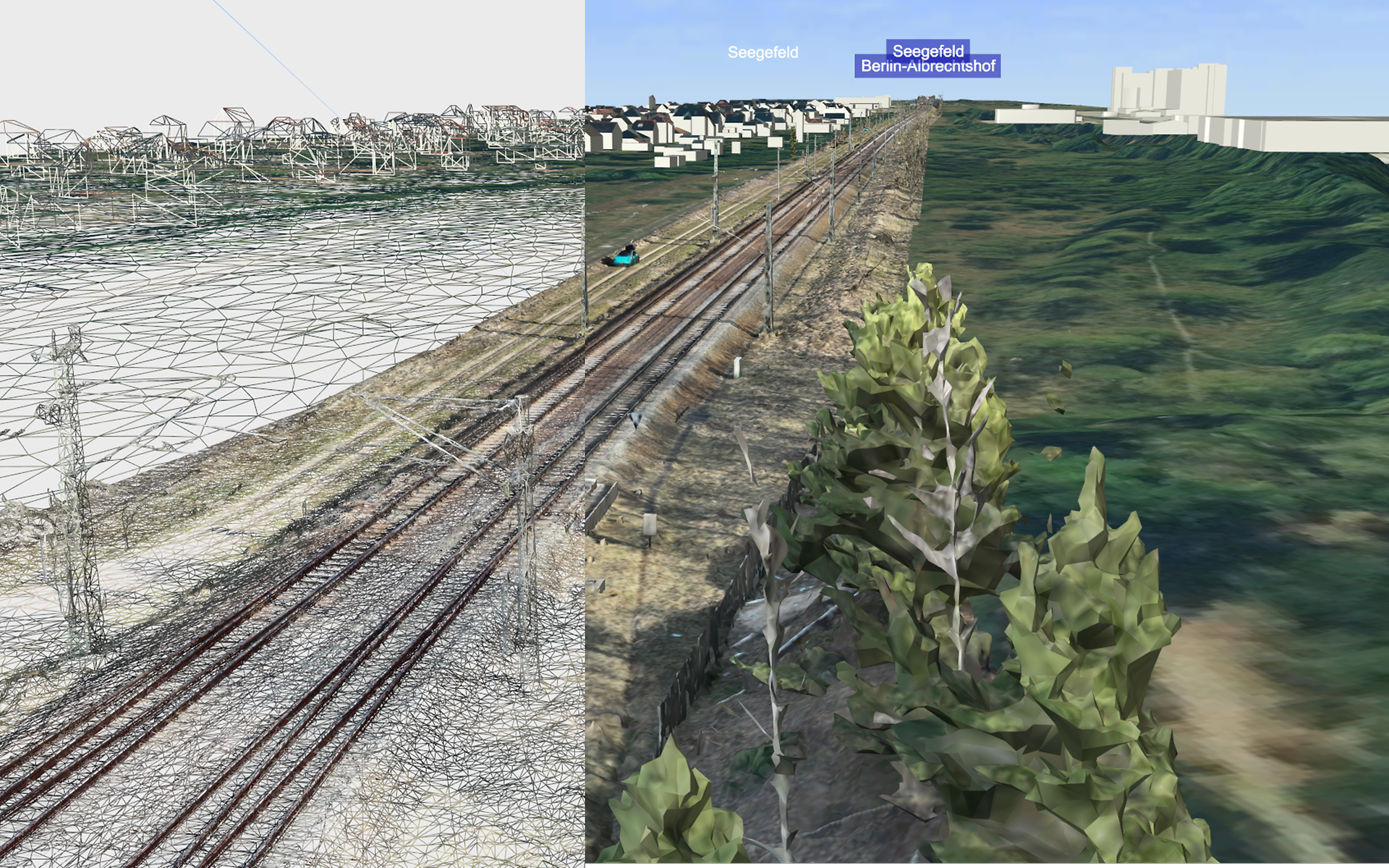
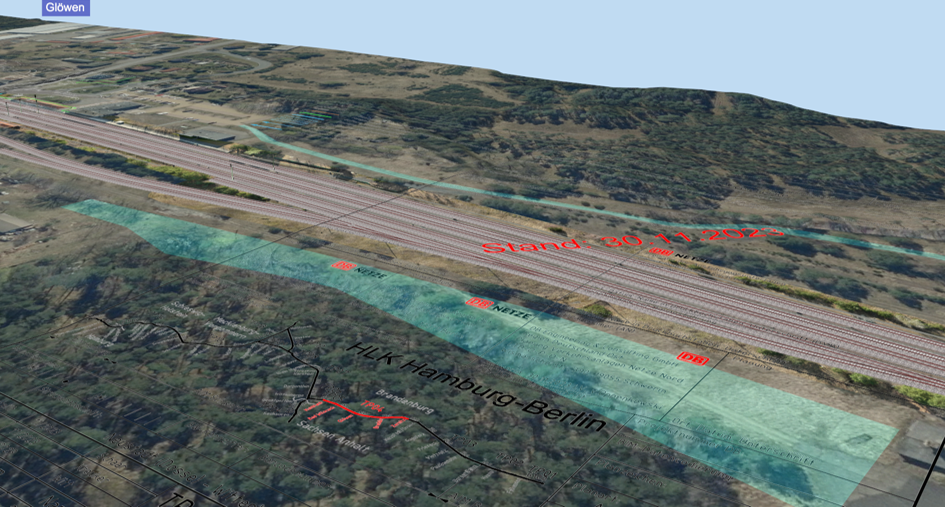
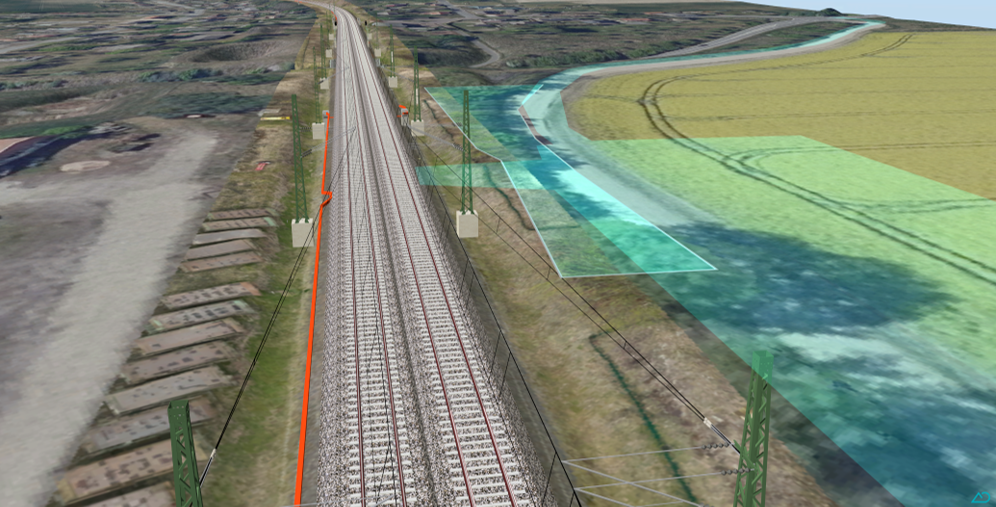
Digital documentation: Digital models can help to document the actual built condition in a structured manner and make project handovers more transparent and traceable.
Our team
The implementation of the BIM methodology can only succeed through collaboration. Our BIM team supports the ongoing development and application of BIM within the DB Bahnbau Gruppe. In doing so, we combine methodological expertise with practical construction project experience and provide support in the application of specific BIM use cases.
Our responsibilities
Assessment of BIM requirements in projects
Development and application of BIM processes
Coordination of models and information
Preparation of model-based meetings
Implementation of 3D, 4D and 5D use cases
Collaboration with project teams and specialist departments
Development of knowledge, standards and practical application experience
BIM is a team effort. For this reason, we work closely with project managers, site managers, specialist departments, clients, partners and other project stakeholders. The objective is to apply digital methods in a way that creates tangible added value within construction projects.
BIM as a digital working methodology in construction execution
The DB Bahnbau Gruppe uses BIM as a digital working methodology to deliver construction projects in a more transparent, coordinated and efficient manner. The focus is on practical benefits for construction execution: information is structured, coordinated and made available to project stakeholders on a model-based basis.
Digital models connect structures, construction stages, schedules, quantities and relevant information. This makes it easier to identify interfaces, improves the transparency of coordination processes and enables decisions to be made on the basis of a shared information foundation.
End of expander content
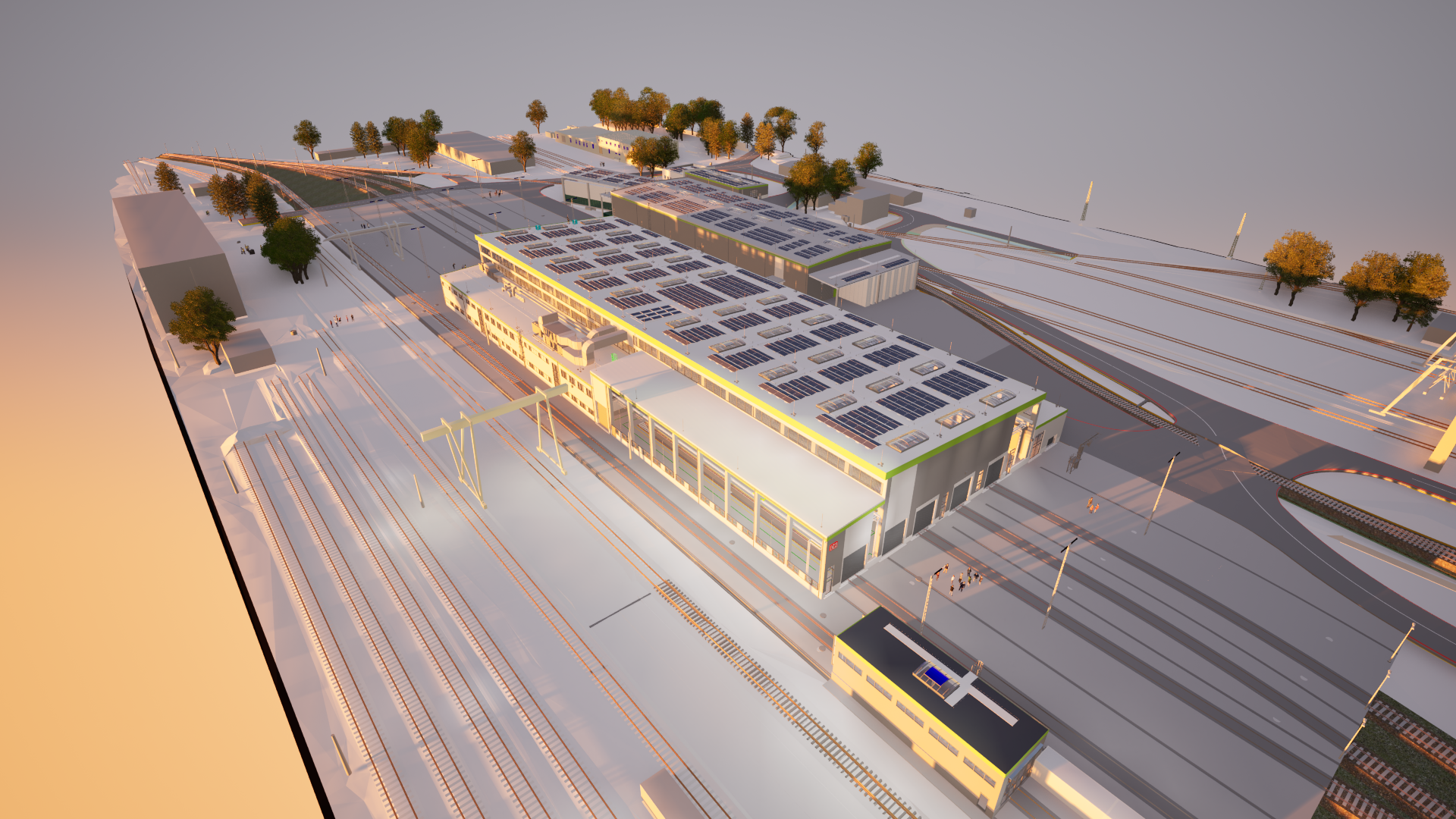
3D – Modelling | Digital model for construction practice
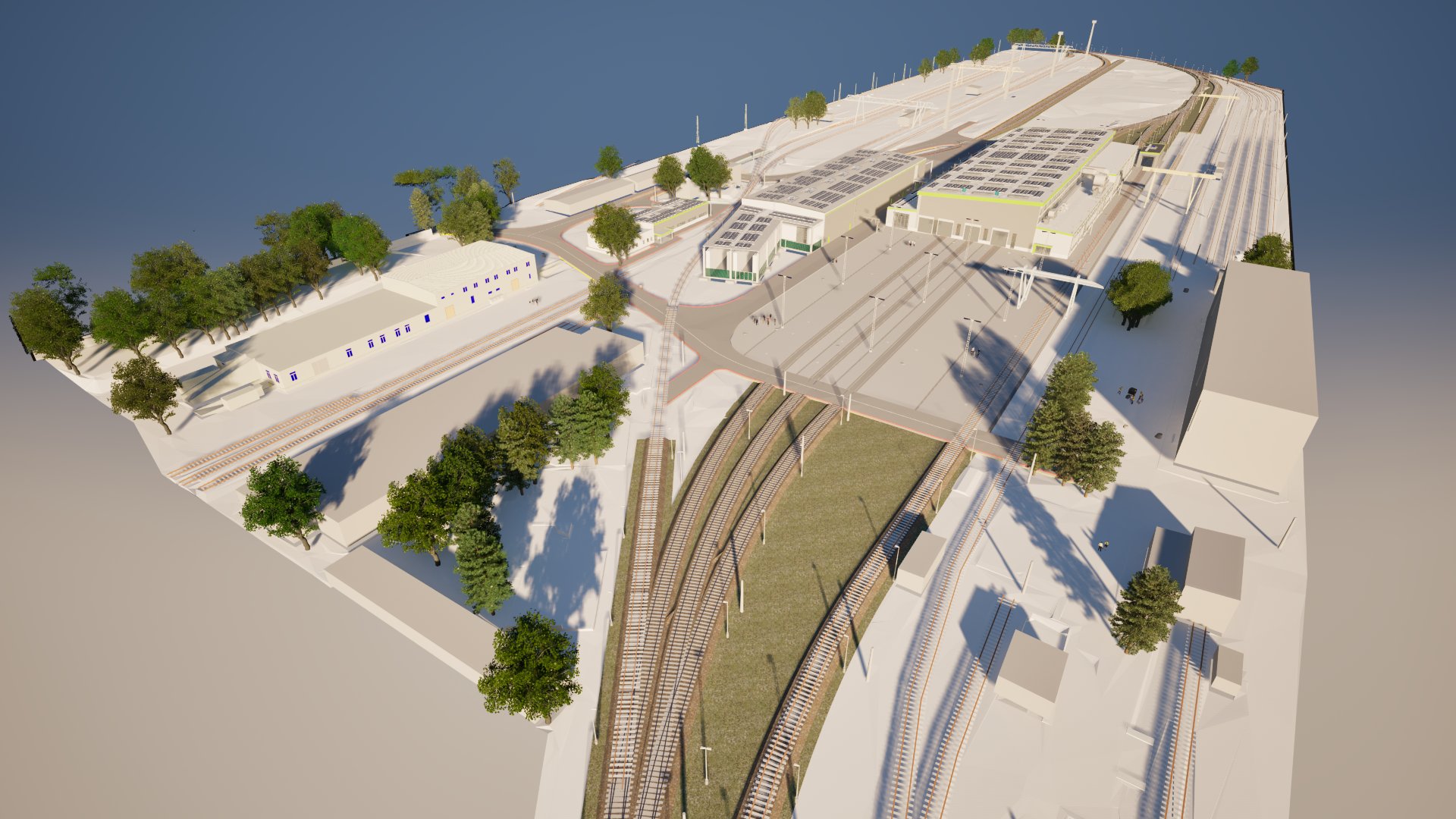
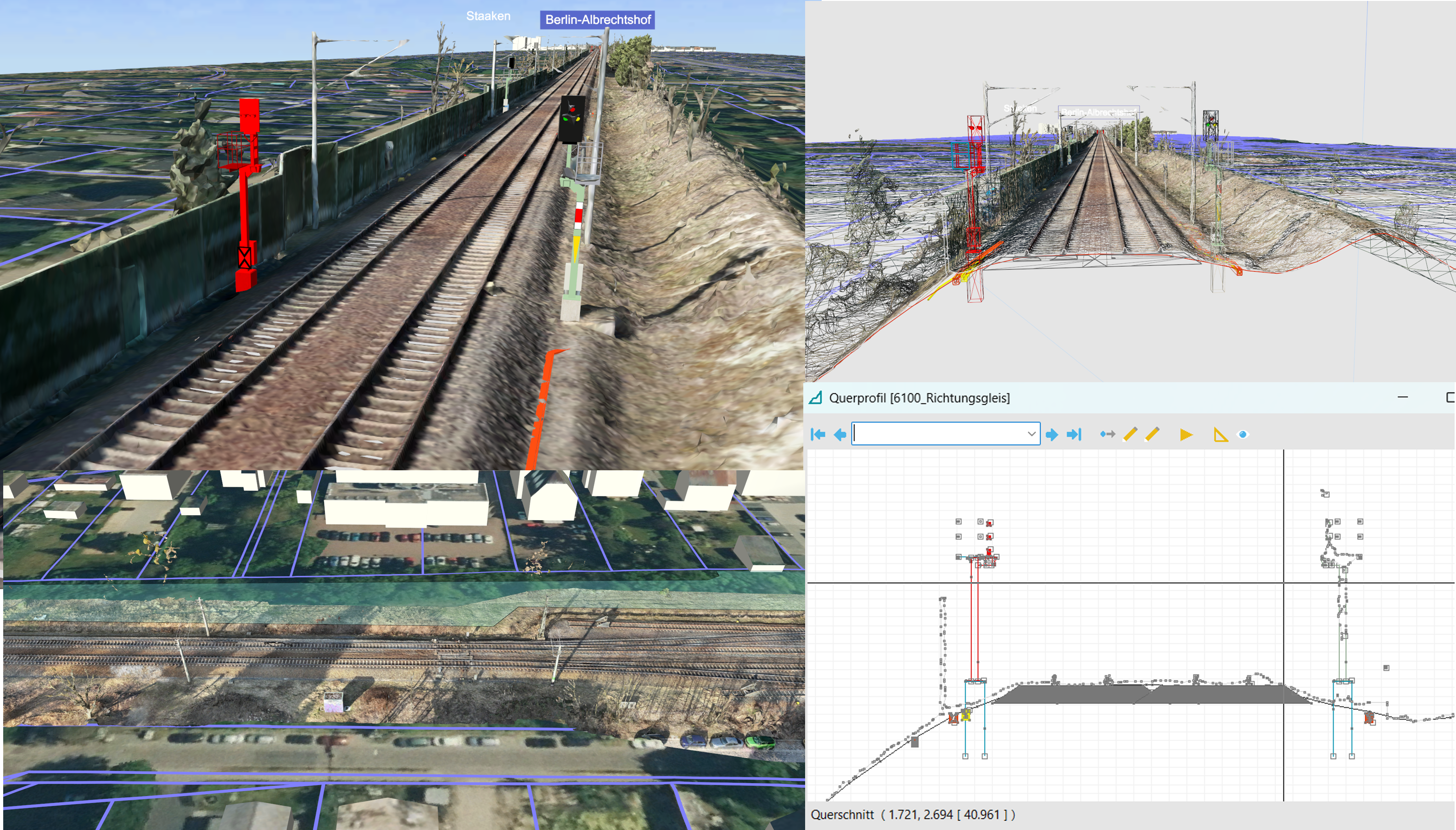
3D modelling is a central component of the BIM methodology. It combines relevant geometric and technical information within a digital information model that provides a spatial representation of structures, installations, components and their relationships.
This creates a shared basis for planning, construction preparation, coordination and documentation. 3D models make complex issues visible, support coordination between project stakeholders and form the foundation for further BIM use cases.
End of expander content
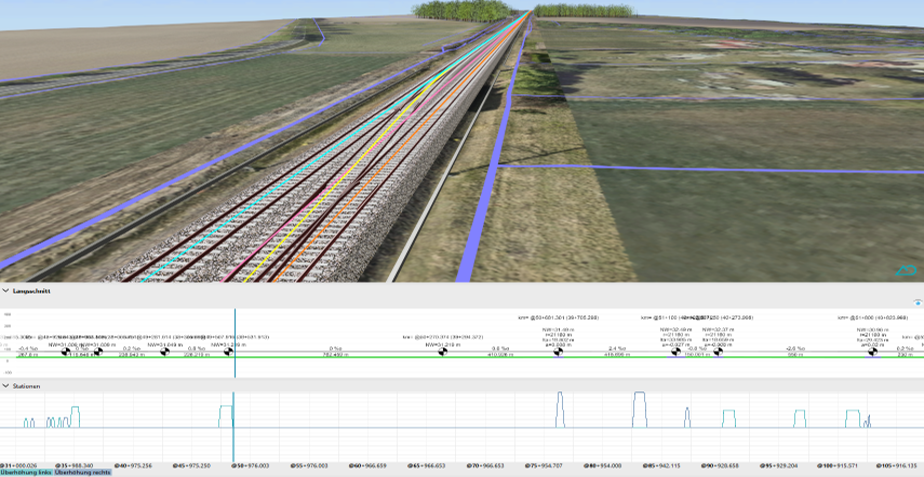
4D – Construction sequence simulation | Making construction processes visible before construction begins
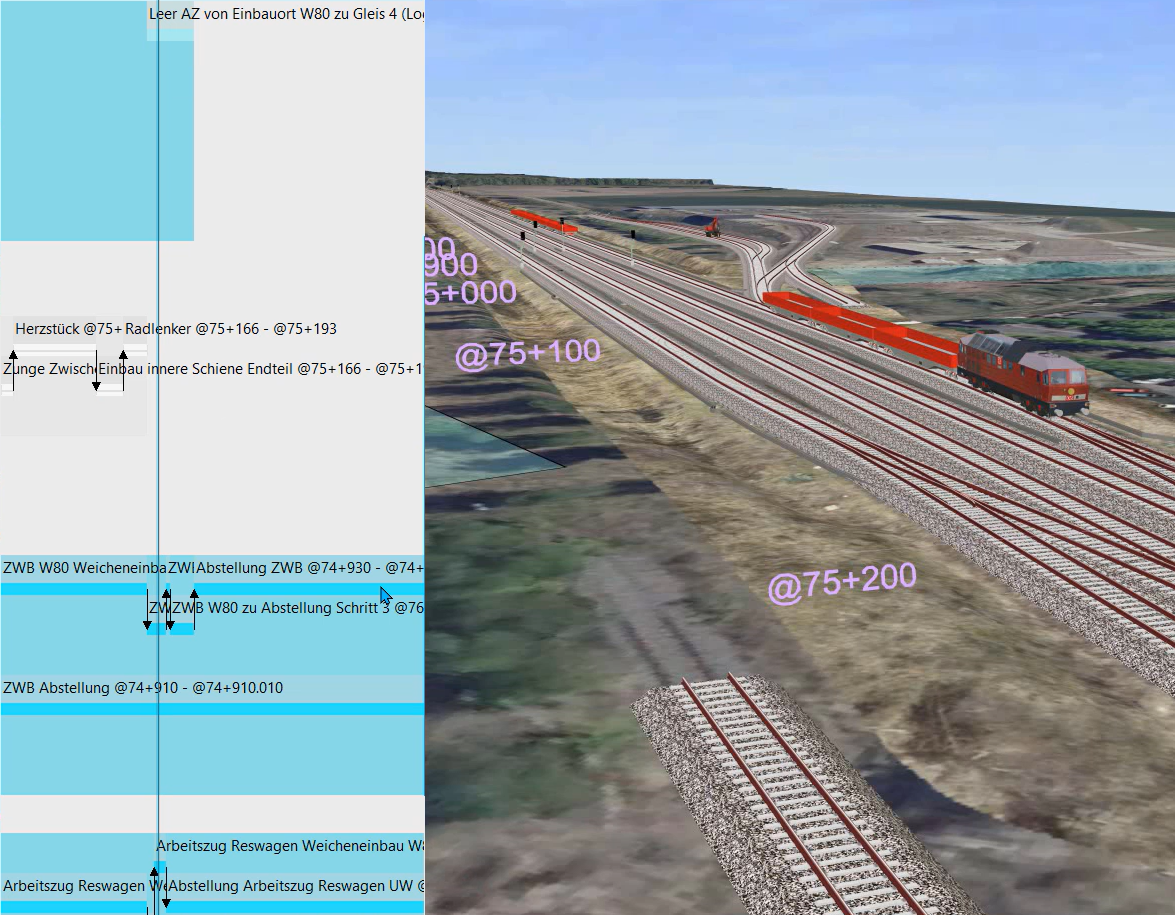
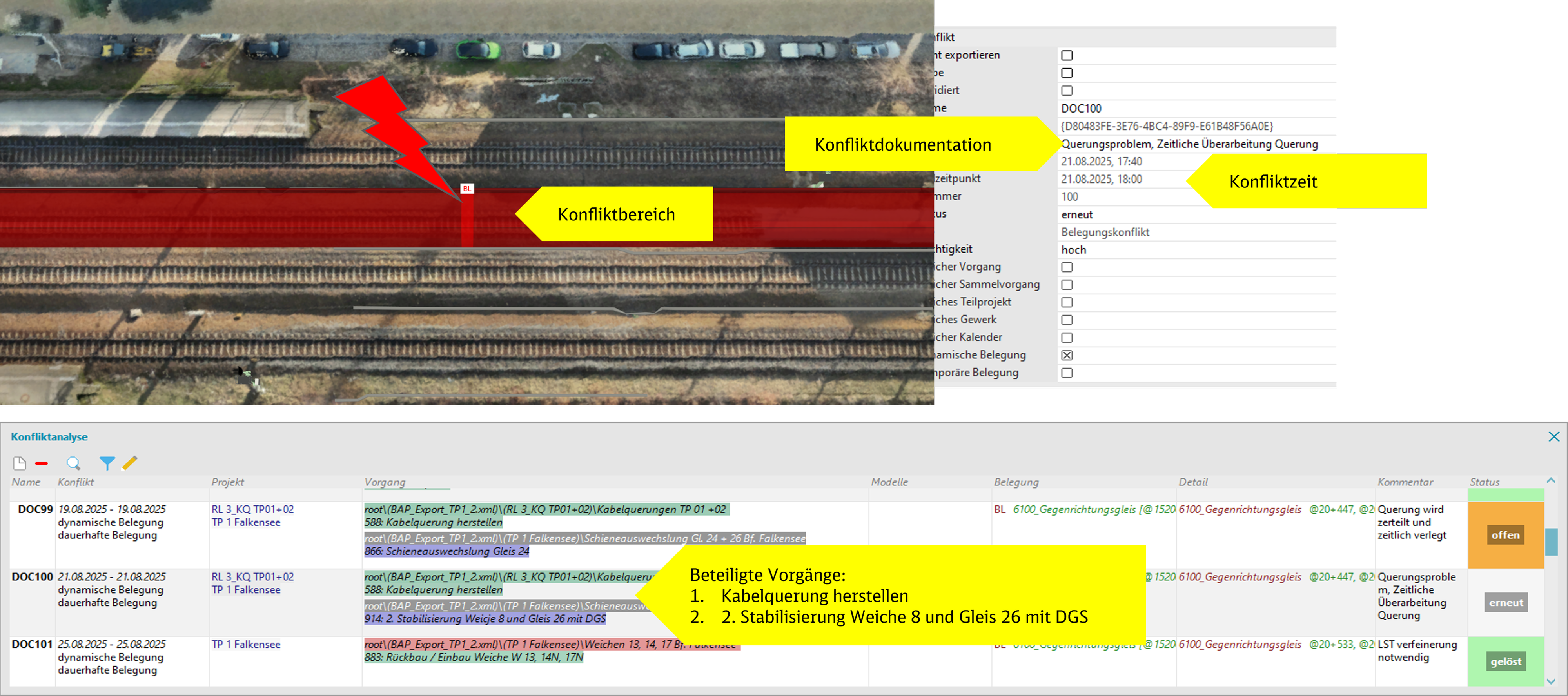
4D construction sequence simulation links 3D BIM models with schedule and sequencing data. This creates a visual representation of the construction process throughout the entire project duration.
Project teams can review construction processes more effectively, identify critical phases and sequencing conflicts at an early stage, and conduct coordination activities on the basis of a shared visual platform. The simulation is particularly valuable for complex construction stages, restricted time windows and projects involving numerous trades.
End of expander content
5D – Greater transparency in the management of quantities and costs in projects
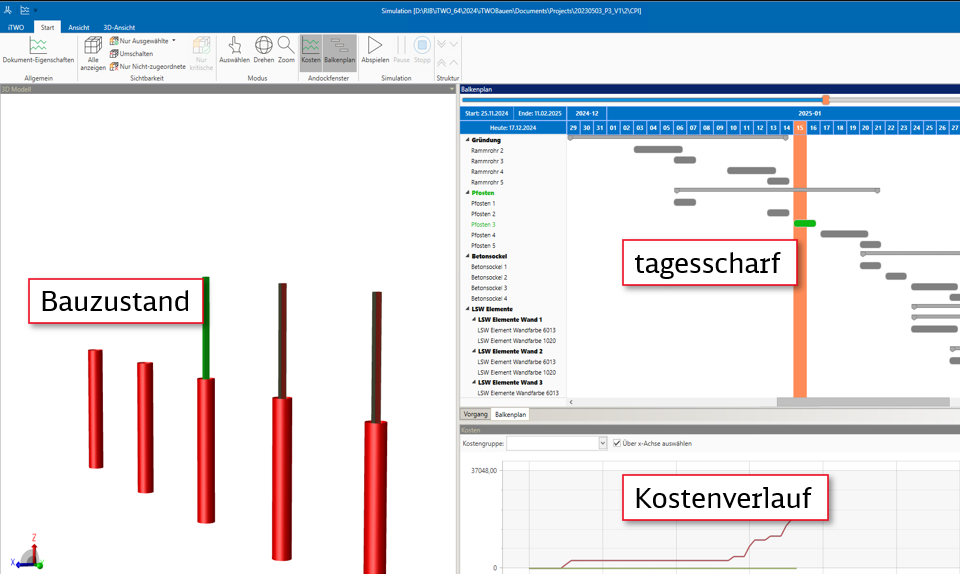
The BIM methodology helps to make quantities, costs, services and the basis for billing more transparent and traceable. In model-based working, components and information are captured in a structured way within the digital model and linked to other project data.
This provides, in the long term, a more transparent basis for quantity take-off, cost estimating, measurement and billing. The objective is to provide better support for both technical and commercial processes within construction projects.
End of expander content
As-built model | Making the constructed condition digitally traceable
Following construction execution, it is essential that the actual built condition is documented in a transparent and traceable manner. An as-built model provides a digital representation of the completed condition of a structure or infrastructure asset.
It brings together geometric information, technical data and all changes made compared with the design status. This creates a digital representation that can be used for handover, operation, maintenance or future modification works.



 Go